
Post 30 - The space between moments
why processing might be the most underrated skill of our time

There is something I have been thinking about lately, a pattern I first began noticing long before I had language for it, back when my days were shaped by classrooms filled with children and young adults learning how to make sense of themselves and the world around them. After nearly two decades working alongside students at every stage of development, I came to understand that the most important learning rarely happened during the visible moments. It was not the lesson itself, the achievement, or even the challenge that created lasting change. The real work began afterward, in the quieter space where experience slowly turned into understanding.
We often assume growth happens in real time, as though insight arrives the moment something meaningful occurs. Yet experience alone does very little until we give ourselves the opportunity to process it. I watched this repeatedly. The students who evolved most deeply were not always the quickest thinkers or highest performers; they were the ones who lingered in conversation, who reflected out loud, who revisited moments long after others had moved on. They instinctively understood something many adults eventually forget: learning continues long after the event ends.
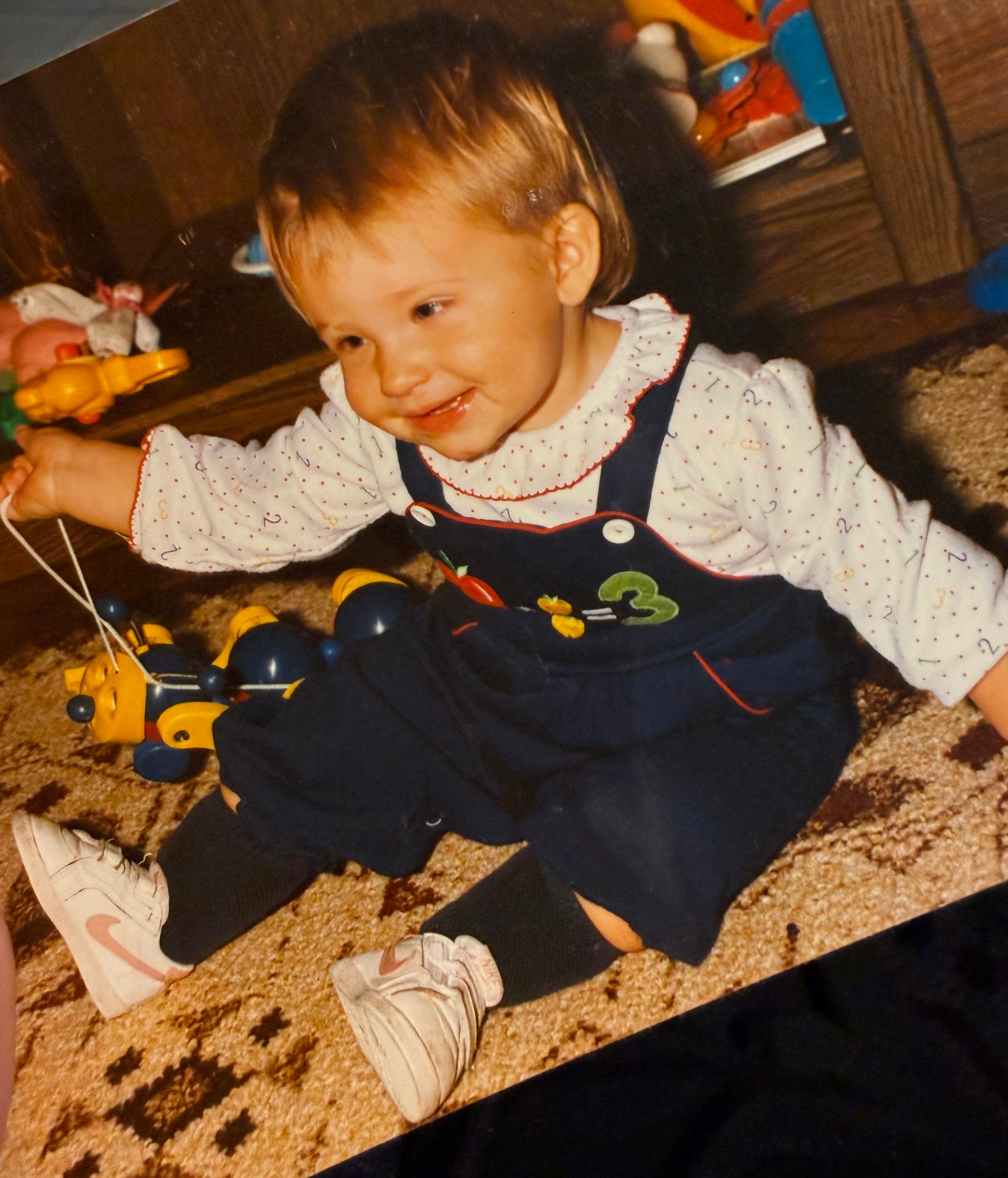
Processing: where meaning begins
Over time, I began to recognize development as a sequence of phases that extends far beyond education and into the architecture of life itself. The first phase is processing, the moment when experience begins transforming into meaning.
Processing looks quiet from the outside, but internally it is deeply active:
• experience settles into the nervous system rather than remaining a passing event
• the mind revisits moments, not to dwell, but to understand
• emotions begin to find context instead of existing as raw reactions
• identity subtly reorganizes itself around new information
• questions emerge that were impossible to ask in real time
• meaning forms slowly, often after the moment has already passed
Children do this instinctively. They replay stories, ask unexpected questions, and circle back to feelings long after an event ends, because their systems understand something essential: forward movement requires first making sense of what has already occurred……..
Integration: when experience becomes identity
From processing emerges integration, a quieter phase where transformation actually takes root. Integration is the point at which an experience stops being something that simply happened and begins shaping how we see ourselves and the world. It unfolds gradually, often without announcement. Confidence becomes less performative. Perspective deepens without effort. The lesson moves from intellectual understanding into lived identity. Nothing dramatic appears to change on the surface, yet internally everything has shifted.
Application: living what we have learned
Only then does application follow. We often associate application with discipline or motivation, but authentic application is rarely forced. When experience has been processed and integrated, behavior changes naturally. Decisions feel clearer. Reactions become more intentional. Growth becomes sustainable because action aligns with understanding rather than obligation.
Life at accelerated wicked speed
What fascinates me now is how profoundly these human rhythms contrast with the pace of modern life. We are living in a time that feels accelerated, almost dimensional in its speed. Information arrives instantly, opportunities multiply continuously, and cultural momentum rewards immediacy over reflection. We finish one experience and almost reflexively reach for the next goal, the next improvement, the next version of ourselves. Movement becomes constant, and busyness begins to resemble progress.
It raises an interesting question: are we truly moving through life, or are we sometimes skimming across it, collecting experiences faster than we can absorb their meaning?
We plan, optimize, achieve, and scroll forward, yet when life presents a moment that asks something real of us, a transition, an unexpected opening, a meaningful change, we occasionally feel surprised by its magnitude. Not because we lack capability, but because we have not always allowed ourselves the time to integrate the chapters that prepared us for it…
Reflection is not heaviness
In a culture that values speed and certainty, thoughtfulness can easily be misread as hesitation, as though depth must imply heaviness. Yet reflection is rarely about looking backward; it is about alignment. It is the mind and heart catching up to lived experience, recognizing what has mattered, what has shaped us, and how seemingly separate moments begin to form a coherent narrative.
Transitions, viewed this way, feel less like disruptions and more like natural evolutions, moments when life quietly reorganizes itself to accommodate growth already underway.
Standing at the edge of a deeply personal transition has made this especially clear to me. Closing a chapter connected to a place that has been home for forty years carries significance not because something is ending, but because something has completed its role. A physical home holds memory, identity, and belonging, yet stepping away reveals how much of home ultimately travels with us.
There is gratitude for what has been built over time, and at the same moment, genuine excitement for what is unfolding next. These emotions are not opposites. They belong together. Endings do not compete with beginnings; they prepare the conditions that allow new chapters to emerge with greater clarity and intention.
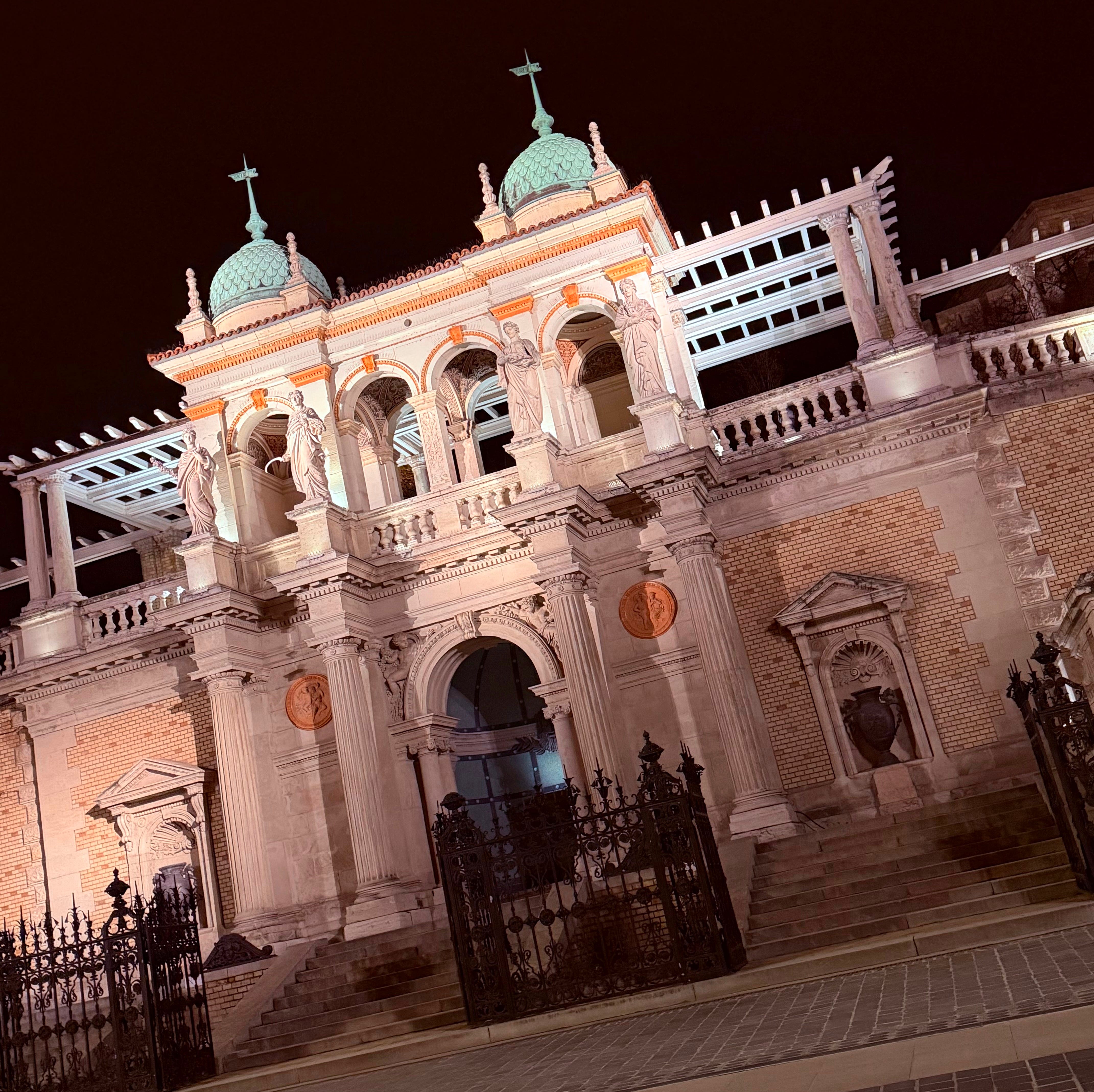
The skill we may need most now
Years of working with young people taught me that: transitions become powerful when we allow them to be understood rather than rushed. The individuals who navigated change most successfully were not the ones who avoided endings, but the ones who paused long enough to understand what those endings had given them. Processing becomes awareness. Integration becomes self-trust. Forward movement becomes grounded rather than reactive.
Perhaps the real skill required in this era of acceleration is learning how to maintain internal spaciousness even as the external world moves faster than ever. The goal is not to slow life down, but to remain present enough to absorb it.
A small invitation
So maybe the question is not what comes next.
Maybe the question is this:
What in your life right now still needs processing before it can become wisdom?
What chapter is asking to be integrated rather than rushed past?
Where might a pause not slow you down, but actually prepare you?
The space between moments is not empty. It is where growth quietly happens. And when we learn to honor that space, new beginnings stop feeling uncertain and start feeling earned.
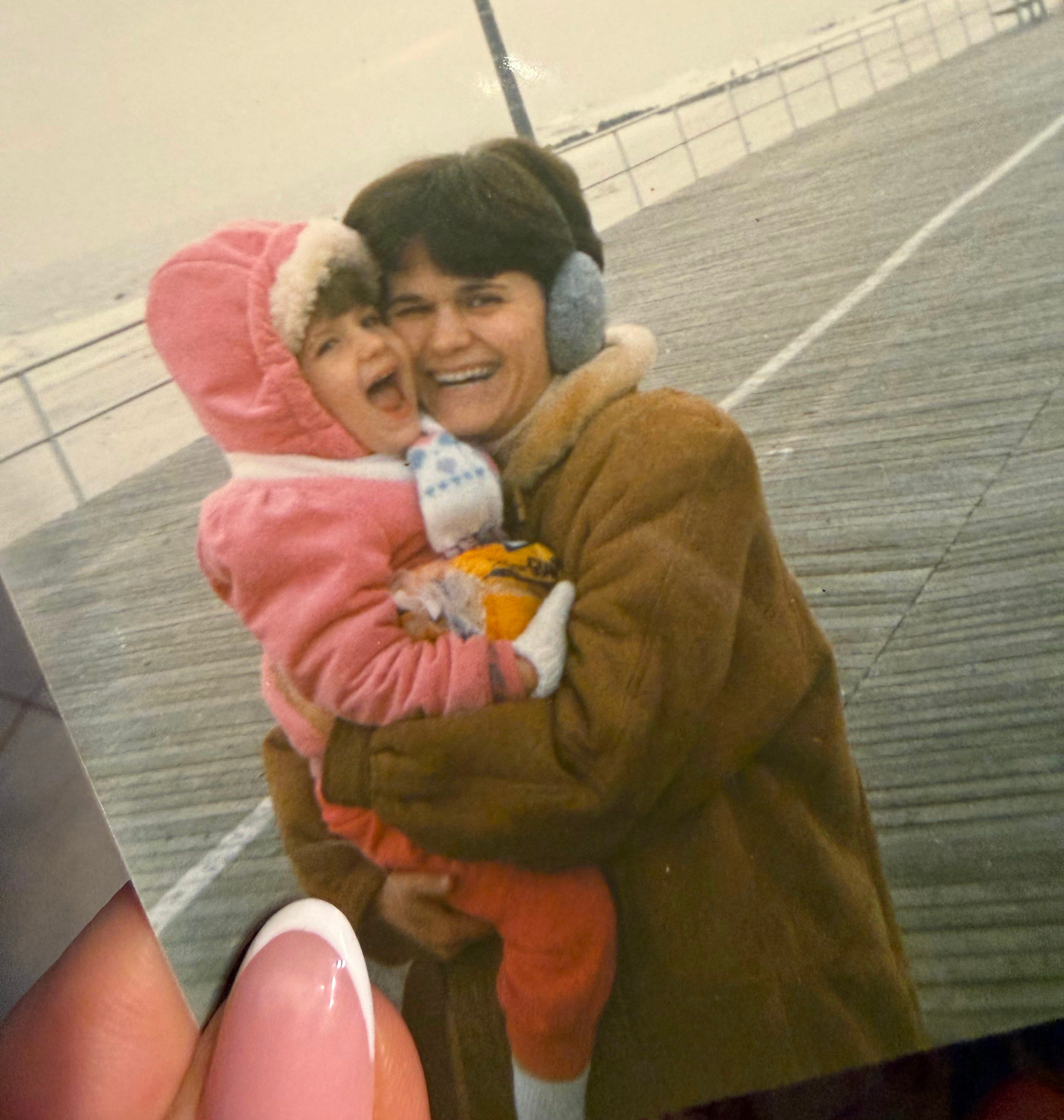
XOXO,
Coach K