Post 32 — The Secrets we keep
Apparently secrecy is also part of the human design…

The quiet architecture of our inner lives
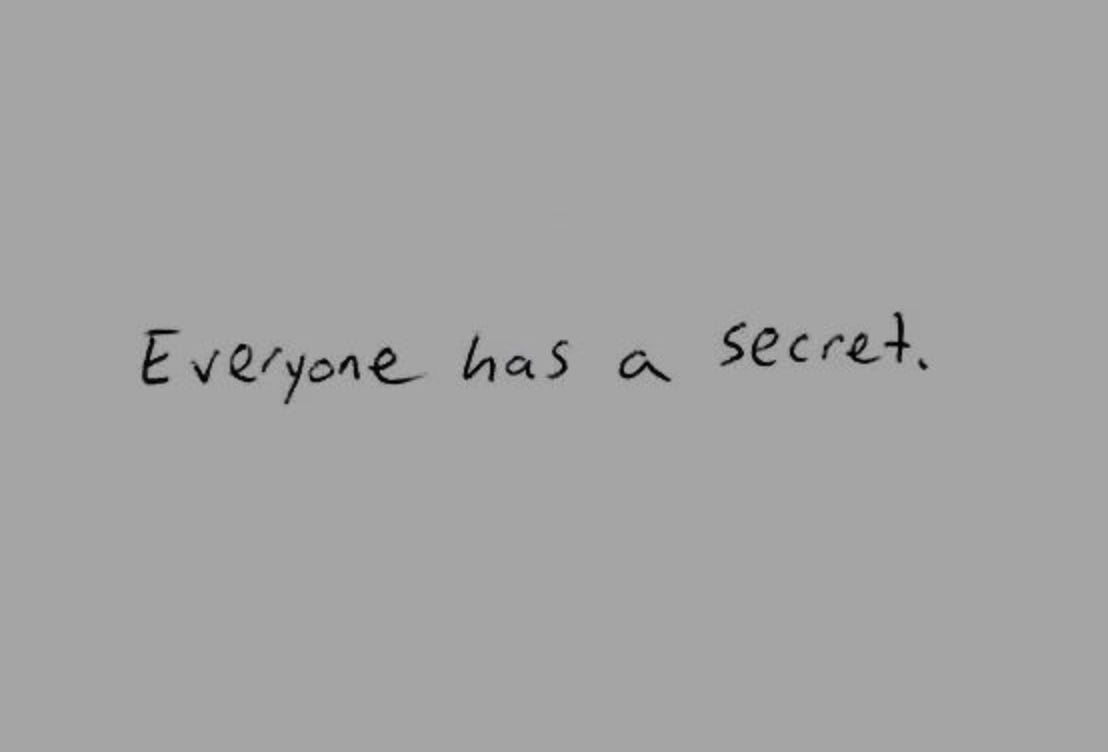
There is something quietly fascinating about the fact that every human being, without exception, carries a collection of secrets. Not necessarily the dramatic kind that would dismantle reputations or alter the course of a life if revealed, but the quieter, subtler ones that live in the background of our inner worlds. These are the thoughts we choose not to articulate, the feelings we soften before sharing, the memories we hold carefully within ourselves without ever quite offering them to the outside world. Every person we encounter is moving through life with a private archive of experiences, reflections, regrets, hopes, and contradictions that remain largely invisible to everyone around them.
What intrigues me lately is not the existence of secrets themselves, but the assumption that they must automatically represent something negative. We tend to speak about secrecy as though it is inherently tied to deception, shame, or avoidance, as though a well-lived life must eventually become an entirely transparent one.
Yet the more I observe people, and the more honestly I examine my own inner landscape, the less convinced I am that complete transparency is actually the goal.
It may simply be that the human psyche was never designed for full exposure.
The invisible inventory we all carry
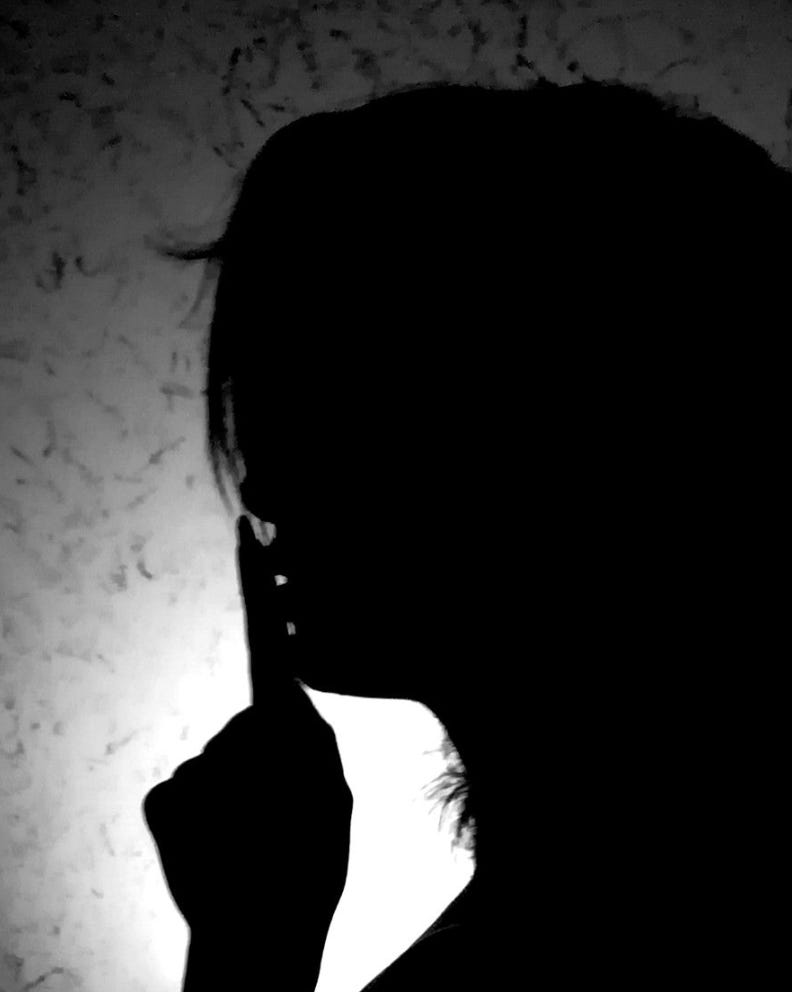
If you pay attention long enough, it becomes clear that secrets take many forms, and not all of them originate in darkness. Some certainly do come from places of regret. Most of us carry memories of decisions made when we were younger, less experienced, or navigating circumstances that required survival more than wisdom. (Speaking from experience, here)! These moments tend to sit quietly in our personal histories, acknowledged internally but rarely discussed, not necessarily because they define us but because they belong to versions of ourselves that have already evolved.
But shame is only one source of secrecy, and perhaps not even the most common one.
Many secrets are simply born from uncertainty. They live in the quiet doubts we occasionally experience even when we appear composed and confident on the outside. They appear in the questions we hesitate to ask aloud about our careers, our relationships, our sense of purpose, or whether the life we are building is actually aligned with the person we are becoming. These are not confessions that would shock anyone, but they reveal a vulnerability that most people instinctively protect until they find the right space to explore it.
And then there are the gentler secrets, the ones that have nothing to do with fear or regret at all. These are the ambitions we protect while they are still forming, the hopes we hesitate to speak aloud before they have gathered enough strength to withstand someone else’s skepticism. They are the memories that remain deeply meaningful even though they belong to chapters of life that have long since closed. They are the quiet ways we make sense of the world when no one is watching.
Not every secret weighs heavily; many simply belong to the private texture of being human.
The modern expectation of total openness
The cultural landscape we inhabit today places an extraordinary emphasis on openness. We are encouraged to share our journeys, narrate our struggles, and reveal the hidden aspects of our lives as a way of demonstrating authenticity. Vulnerability has become a kind of social currency, and the more openly someone discusses their fears, failures, and healing processes, the more genuine they are often perceived to be.
And to be clear, this idea speaks to me as well, for very specific reasons. The work I do is built on the belief that honesty - real honesty, the kind that requires courage rather than performance has the power to change lives. I have seen what happens when someone finally names the thing they have been carrying alone for years. I have watched the tension leave a person’s body when they realize that the thoughts they believed were uniquely theirs are, in fact, deeply human and widely shared. Being part of a certain kind of program that is built around radical self-honesty and personal accountability has only reinforced this understanding for me. In those rooms, people speak about things most of the world would never dare say aloud, and the relief that follows that kind of truth-telling is profound. It reminds you that when honesty is practiced in the right container, it can be deeply liberating.
So in many ways, I understand this movement toward openness intimately, and I support it more than most.
But understanding something deeply also allows you to see its complexity.
Because somewhere along the way, openness has occasionally shifted from being an invitation into becoming an expectation, as though every personal experience must eventually be articulated, explained, and processed in public. In a world where reflection is often immediately translated into content, and vulnerability sometimes becomes a kind of performance, it becomes increasingly difficult to distinguish between the healing power of honest expression and the quiet pressure to expose every corner of our inner lives.
The quiet dignity of privacy
And yet the longer I observe people, the more I realize that secrets are not always the heavy, shame-filled things we are taught to fear. Sometimes they simply mark the boundary between what belongs to the world and what belongs to us. They protect the fragile parts of our inner lives while they are still forming, or hold memories that do not need to be revisited in the bright light of public interpretation. Privacy, when it is conscious rather than avoidant, can be an act of care rather than concealment.
Perhaps authenticity has less to do with revealing everything and more to do with understanding ourselves honestly, even when certain parts of that understanding remain quiet. Not every truth needs an audience in order to be real. I wonder now if some reflections deepen precisely because they are allowed to exist without commentary, slowly shaping the way we move through the world……
A question worth sitting with
And maybe the real question is not whether we have secrets, because of course we do. The question is what they are protecting, what they are teaching us, and whether we hold them with awareness rather than shame. If you were to sit quietly for a moment and think about the things you keep to yourself, you might find that they are not signs of something broken at all. They may simply be part of the quiet architecture of being human.
You might begin by asking yourself: what are the things I keep private, and why do they matter to me? What parts of my story still feel unfinished or too tender to place fully in the open? What secrets are protecting something that still needs time to grow, and which ones might be quietly asking to be shared with someone I trust? What would it feel like to hold those hidden parts of myself with curiosity rather than judgment?
Because sometimes the most honest thing we can do is not reveal everything, but simply understand ourselves a little more gently.
XOXO,
Coach K